Lithium-ion batteries typically utilize lithium alloy metal oxides as the cathode material.
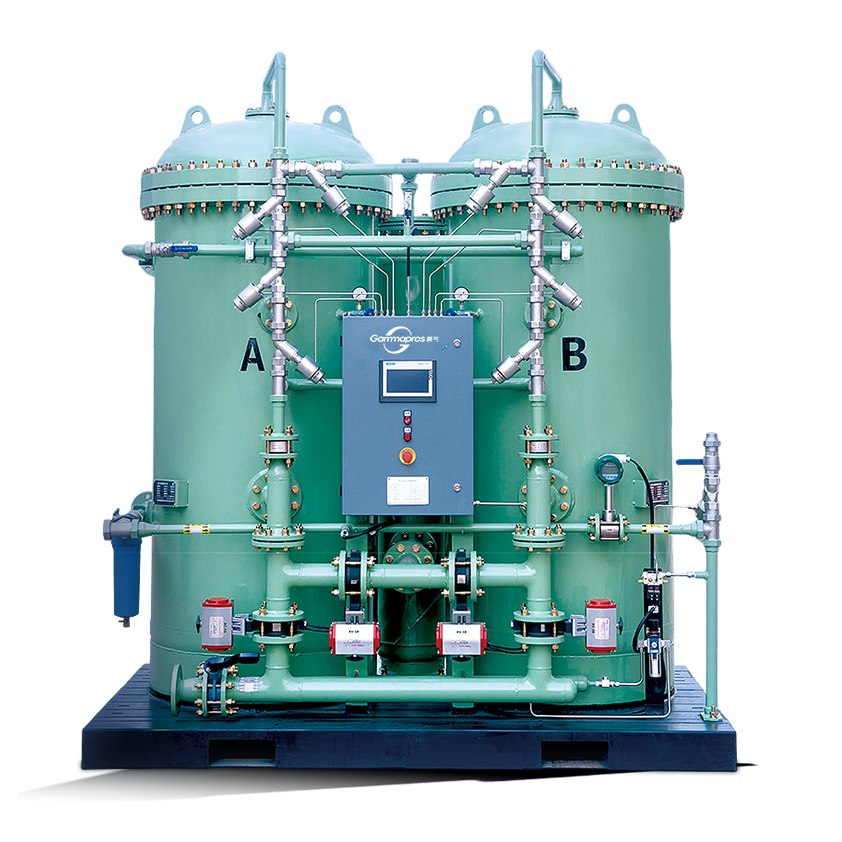
Lithium-ion batteries are generally defined as batteries that utilize lithium alloy metal oxides as the cathode material, graphite as the anode material, and a non-aqueous electrolyte. Possessing advantages such as high energy density, low self-discharge rates, long service life, and environmental friendliness, lithium-ion batteries are hailed as the "green energy of the 21st century." The applications of lithium-ion batteries are extremely broad, spanning diverse sectors including energy storage, motive power, consumer electronics, and specialized applications. Within the lithium-ion battery industry, nitrogen (N2) is utilized in various processes: for cathode and anode materials—specifically in sintering protection, powder processing, and related operations—where a purity level of 99.999% is typically required; and in battery cell production—including electrolyte injection, baking, and similar stages—where the standard purity requirement ranges from 99.99% to 99.999%.